
Solar panels
Tier-1 all-black PV designed for overcast UK conditions.
7kW and 22kW units wired to charge from surplus solar or overnight rates automatically.
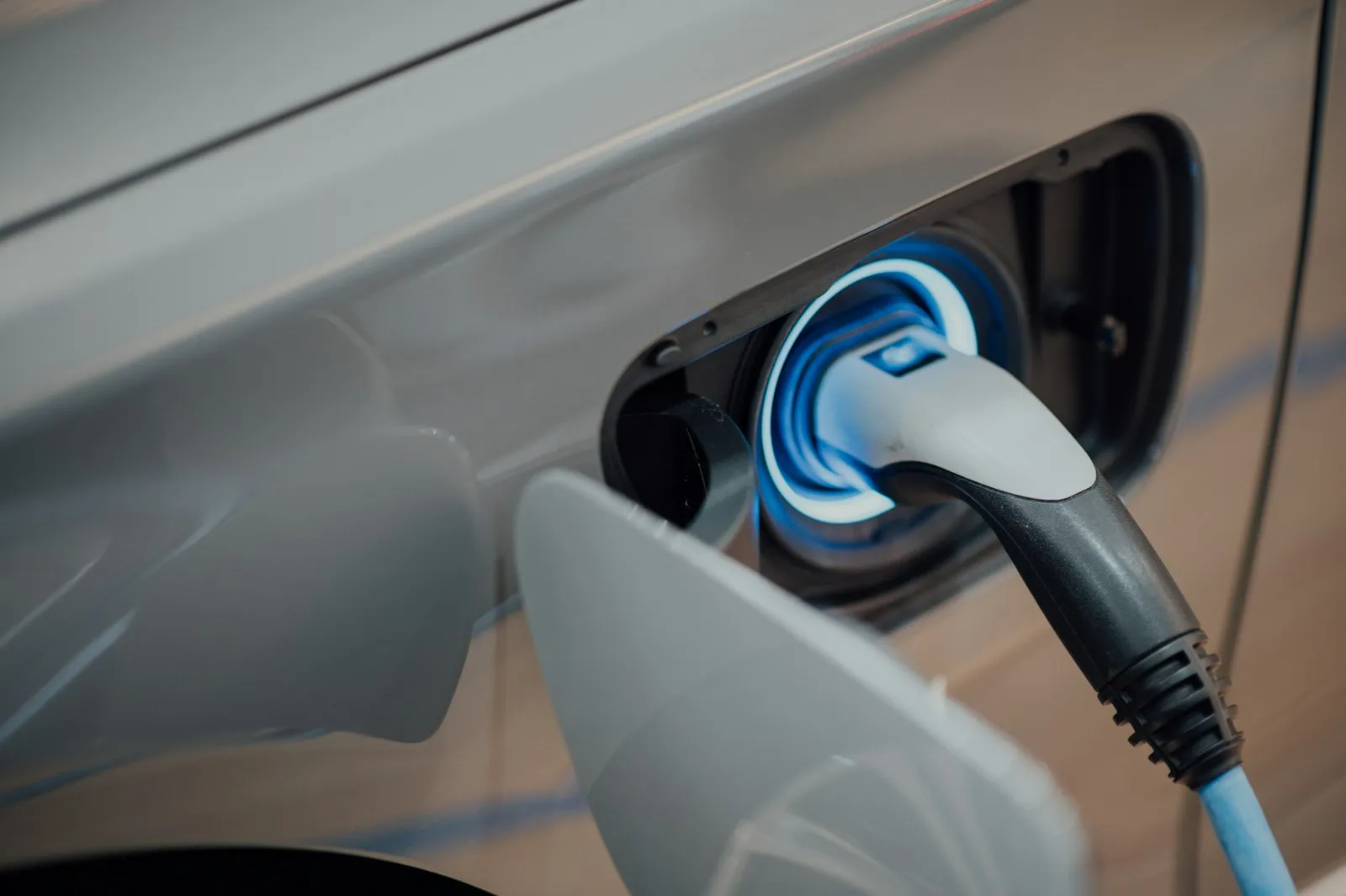
Indicative only. Your survey gives fixed figures for your property.
Most homes have a single-phase electricity supply, which limits a home charger to about 7kW. That adds roughly 25 miles of range for every hour of charging, enough to fill most cars overnight.
A 22kW charger needs a three-phase supply, which is more common in commercial buildings than homes, and it only helps if your car can accept charging at that rate. We check both at survey, so you don't pay for capacity you can't use.
By law, home chargers sold in Great Britain must have smart functions, including a default off-peak schedule, so they can be scheduled and controlled remotely. We set yours to charge in your cheapest tariff window, usually overnight, or to use surplus electricity from your solar panels during the day if you have them.
Most of the saving from charging at home comes from the tariff. Several suppliers offer EV tariffs with much cheaper overnight rates, and we set the charger's schedule to match yours before we leave.
First, your supply. We check your main fuse and how much electricity the house already uses, to make sure adding a charger won't overload it. If it could, we fit load management, which slows the charger down when the rest of the house is busy.
Second, earthing. Outdoor charging needs the right earth protection, which is built into most modern chargers or fitted separately. Third, the cable route from your consumer unit to where you park. We notify your network operator of every new charger, and if your supply needs upgrading, we apply for it.
The charger usually goes on an outside wall close to where you park, or on a post at the side of a driveway. In practice you need off-street parking. Flats, shared drives and terraced streets are more complicated, so ask us and we will tell you what is possible.
Most home chargers are installed in about half a day. Your power is off briefly while we connect to the consumer unit. Before we leave, we test the charger, set it up in the app with your tariff and show you how to change the schedule.
You get an electrical installation certificate, confirmation that the work meets building regulations, and the charger's three-year warranty registered in your name.
AT Group is based in Leicester and installs across the UK through regional teams. Survey slots are usually within two weeks. Book a free survey.
Most home chargers we install cost between £900 and £1,600, including the unit, cabling and protection. Longer cable runs, load management or a supply upgrade affect the price, and your survey gives a fixed figure.
On a 7kW charger, a typical 60 kWh battery goes from nearly empty to full in around eight to nine hours, so overnight charging covers most people. Day-to-day top-ups are much quicker.
Yes. A smart charger can be set to use only surplus solar, or to mix solar with cheap grid power. Solar covers more of your charging in summer than in winter.
It works occasionally, but it is slow, adding only a few miles of range per hour, and household sockets aren't designed for long, heavy loads every day. A dedicated charger is safer and much faster.
Usually not for a wall-mounted charger at a house with off-street parking. Listed buildings and some conservation areas are different. We notify your network operator of the installation.
Tier-1 all-black PV designed for overcast UK conditions.
Store cheap off-peak power and skip peak-rate charges.
Replace gas or oil heating with a high-efficiency system.
Loft, cavity and external wall work that cuts demand first.
Modern condensing boilers and full system replacements.
We check eligibility and handle the paperwork for you.
Servicing, fault-finding and repairs on any existing system.